 Give Rescue Hens
Their Fresh Start
Join 10,000+ families across England and Wales
who've adopted ex-commercial birds.
These incredible ex-layers deserve gardens,
not slaughterhouses.

Why hens need rehoming
Commercial laying hens are often replaced when their egg production slows, usually around 18 months to two years old. Many could live for years more, but most are sent for slaughter. Defra's provisional figures put UK culled-hen slaughter at 30 million in 2025.
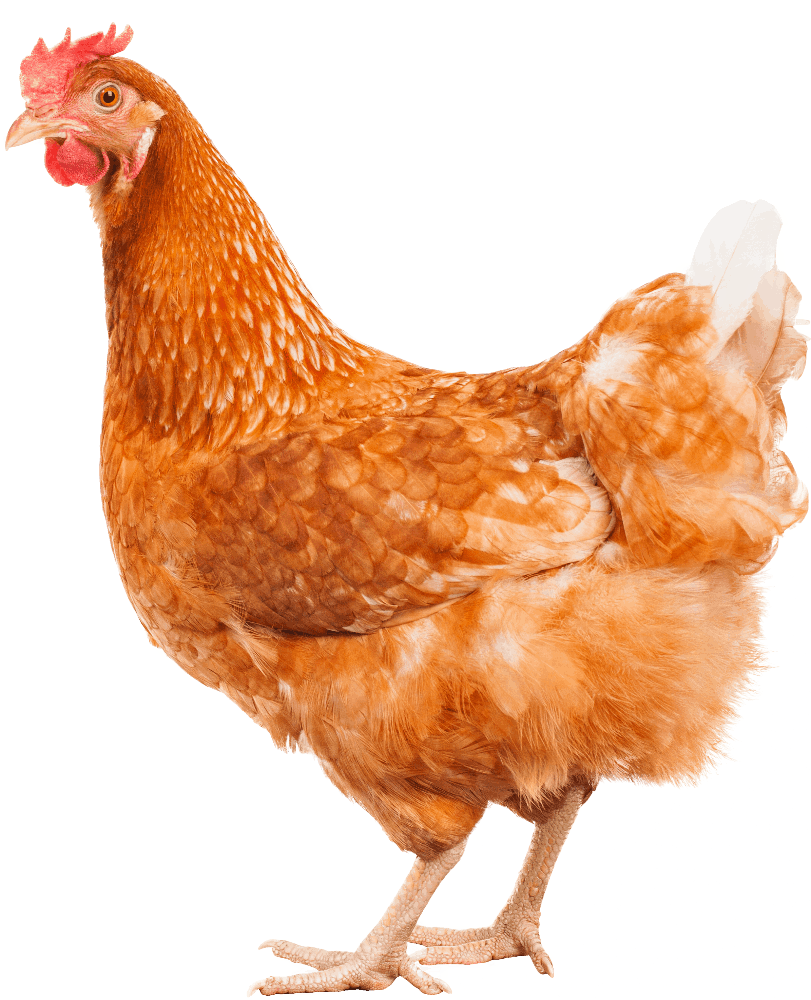
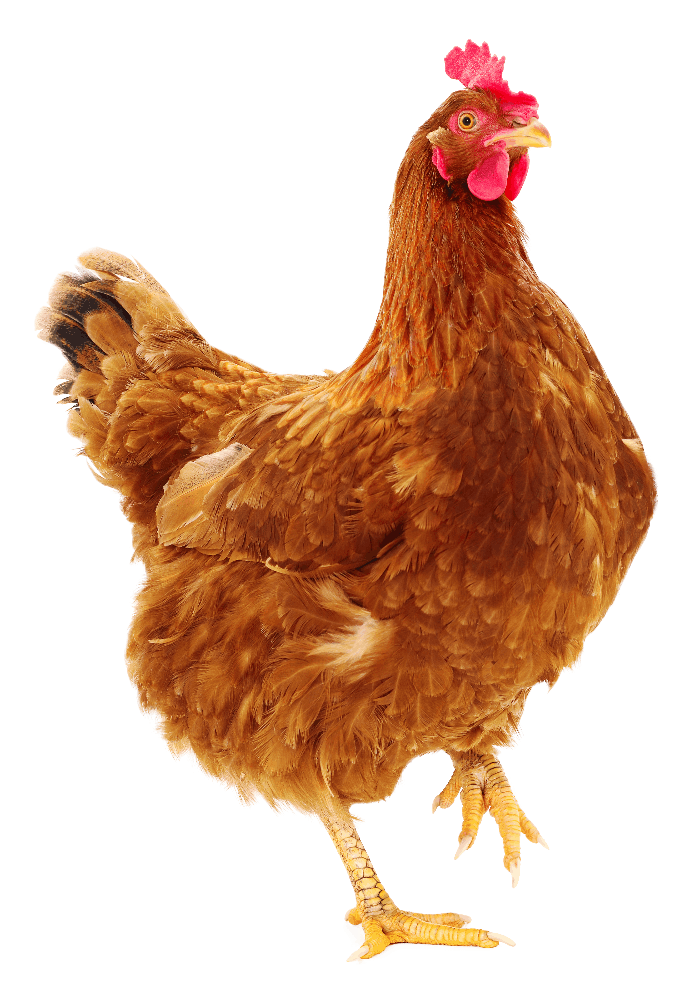
The hens don't all look alike: some arrive with thin feathers, while others look much like any garden hen. They need patience while they settle into a new place.
How we rehome them
We arrange collections with British egg farmers as flocks reach the end of their commercial laying life. Our volunteers collect the hens from the farm, drive them to collection points across England and Wales and hand them over to their new keepers.
Some hens come from enriched colony cages, others from barns or free-range farms. You may hear them all called “ex-battery hens”, though it doesn't describe every bird's past.
Could you keep hens?
From the heart of London to the Welsh countryside, hens can find homes in all sorts of gardens. You don't need acres, but you do need a secure coop, safe outdoor space and time to care for them every day.
Think about where they'll sleep, how you'll keep them safe from predators and who'll look after them when you're away. Hens are sociable, so they'll need other hens for company too.
Life with rescue hens
Once they've settled in, you'll see them scratch, dust-bathe and investigate whatever you're doing in the garden. Some will keep laying eggs; others won't. They need a home either way.
We rehome hens as pets, not for resale or commercial use.
Fresh Start For Hens in the news




 Upcoming dates
Check the dates below, then use the location map to find a collection point near you.
 Locations
Volunteers run our collection points across England and Wales. Use the map to find one near you.
Loading map...
The map is unavailable right now. Browse all collection points.
Frequently asked questions
-
We list upcoming rehoming dates and collection points on the website as soon as they are confirmed. If there is no suitable date, you can apply to join the waiting list. You can separately choose to receive emails when new dates are available.
-
We ask for a minimum donation of £2.75 per hen or £5 per duck. Donations help cover costs associated with rehoming, including vehicle hire, fuel for volunteer journeys and veterinary care for birds who need it.
-
The application form accepts 1–25 hens or 3–25 ducks. We will ask you to send us photos of your coop and run of adequate size for the number of birds you would like to adopt. If you would like more than 25 birds, please contact us before applying so we can discuss your circumstances.
-
Yes. Please make the minimum donation through your application at least 48 hours before collection. If you cancel at least one week before your rehoming date, we’ll refund it in full.
-
No. You can pay by debit or credit card through PayPal from your application page without creating a PayPal account. The Donate button on the donations page is for separate gifts and will not pay for your application.
-
No. We need the minimum donation in advance to plan the rehoming.
-
We’ll contact you if a rehoming is cancelled and offer a full refund or a place at the next suitable date. If no future date is available, we’ll refund you within one week. If fewer hens are available on the day, you can choose a refund for the missing hens or arrange replacements.
-
Your coop must have 30cm sq of roosting space per hen inside as well as adequate nesting boxes. Your secure run must have a minimum of 1.2 m sq of run space per hen (excluding any space under your coop). We also need to see that the coop has a secure door to keep the hens safe from predators.
-
We keep rehoming records and share information with the relevant authorities where required. In England and Wales, you must register with the Animal and Plant Health Agency within one month of keeping poultry, including pet flocks of fewer than 50 birds. Check the current GOV.UK registration guidance.
-
We use your details to review your application, organise collection, contact you about your hens and keep records required for animal health and legal purposes. We also use service providers to run the website and process payments. Our privacy policy explains what we collect, who we share it with and your rights.
-
We’ve helped more than 10,000 families adopt hens. You can also find us on Facebook, where previous adopters share their experiences. If you have a question about your application, contact our team at adminteam@freshstartforhens.co.uk.
Can't find what you're looking for?
Send us a message and we'll do our best to help.
 About Fresh Start For Hens
Fresh Start For Hens began in 2008 as Hen Rehomers UK. We're an independent, volunteer-run organisation working with egg farmers to find homes for hens that would otherwise be sent for slaughter.
Those homes include town and country gardens, allotments, schools and care homes. Our collection points across England and Wales bring the hens closer to the people adopting them.
What we do
- Intervene. We work to rehome hens at the end of their commercial laying life, before they are sent for slaughter.
- Rehome. Our volunteer network brings hens from farms to collection points across England and Wales, where their new keepers take them home as pets.
- Advocate. We speak up for hens and share what we know about their lives, their needs and the difference a fresh start can make.
- Educate. We help new keepers understand what hens need to settle in, stay safe and thrive.
How we work
A rehoming day starts well before anyone arrives at a collection point. Admin volunteers speak to the farms, take bookings, plan van routes and work out how many hens are going to each location.
Our farm teams and drivers are often up before dawn. Some travel the night before; others spend hours on the road after collecting the hens. It is a long day, and they give up their own time to do it.
At the collection points, coordinators arrange pick-up times, welcome adopters and keep an eye out for hens needing extra care. They're also there to answer the questions that come up when you're taking hens home for the first time.
Volunteer with us
Our volunteers make every rehoming possible. If you have time to give, there are several ways to get involved:
-
Admin Team
Manage rehoming dates, liaise with farmers, organise rehomers, process applications, verify donations and plan van routes and numbers.
-
Collection Point Hosts
Open your home or a local space, welcome adopters and organise collection times.
-
Collection Point Assistants
Help hosts on collection day and support adopters as they take their hens home.
-
Van Drivers
Transport hens safely from farms to collection points across England and Wales.
-
Farm Team
Help catch, crate and load hens at the farm, often starting early in the day.
Could you lend a hand? Sign up to volunteer with us and tell us how you'd like to help.
Contact us
Message sent
Thanks for getting in touch. We'll reply as soon as we can.